Software is
Cultural Heritage.
We are a 501(c)(3) nonprofit dedicated to the preservation, curation, and public education of retro software from 1970 to 1998. The code that shaped our world deserves to be remembered.
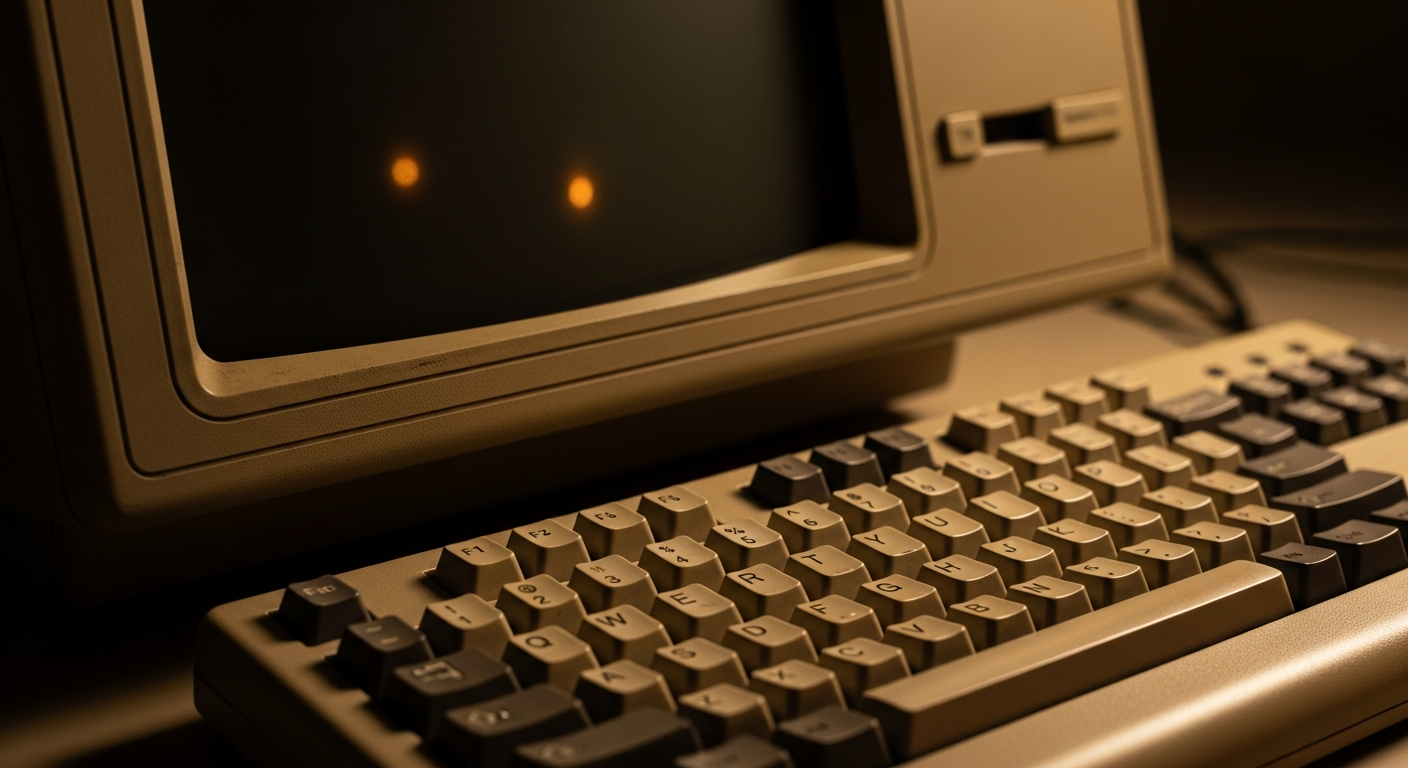
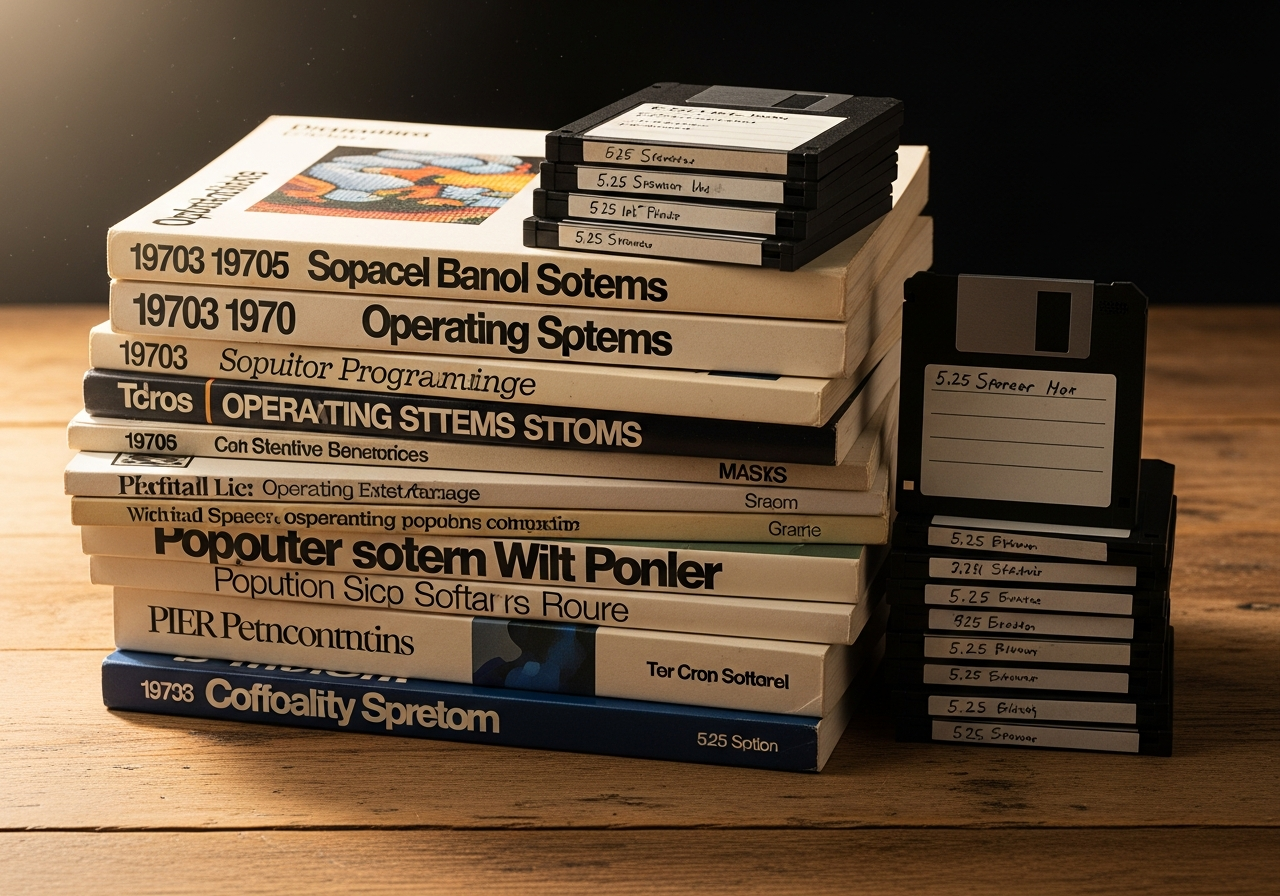
The digital dark age is a solvable problem.
Between the creation of the Apple II and the widespread adoption of the internet, a massive cultural shift occurred, written entirely in code. Much of that software is currently stored on degrading magnetic media, locked in attics, or lost entirely.
The Retro Software Foundation works with historians, engineers, and museums to digitize, document, and contextualize early computing history. We treat BASIC listings, early operating systems, and primitive graphics encodings with the same archival rigor as historical manuscripts.
Our Exhibitions
We build interactive, educational web experiences to make retro software history accessible to the general public.
PETSCII.org
A definitive reference archive for Commodore's proprietary character set.
Explore the technical constraints and artistic brilliance of PETSCII. This exhibition will feature interactive charset explorers, historical context, and curated galleries of character-based artwork from the 8-bit era.
readybasic.org
"READY." — An interactive history of Microsoft BASIC.
Before Windows, there was BASIC. This online museum exhibit details how a simple programming language for the MOS 6502 processor became the lingua franca of an entire generation of computer users.
From the Archive
Essays, research, and technical teardowns from our staff historians and guest contributors.
The Rise and Fall of CP/M
Before DOS established dominance, Gary Kildall's operating system offered a glimpse into a very different computing future.
Why Commodore's PETSCII Mattered
How a lack of bitmapped graphics forced developers to turn a limited character set into an art form.
Understanding the 6502
The microprocessor that powered the Apple II, C64, and NES. A deep dive into the silicon that sparked a revolution.